
You want a straight answer, and here’s the honest one: it depends entirely on which type of denture you’re getting and whether you need extractions first. The full denture process often takes 4 to 12 weeks, with the timeline shifting based on whether you need full, partial, immediate, or implant-supported dentures. Some people walk out with teeth the same day. Others wait several months. The difference comes down to a few key factors most people don’t know to ask about.
Here’s what this article covers:
- The real timeline for each type of denture, side by side
- Why healing after extractions is the biggest variable
- The step-by-step denture process from consultation to final fitting
- What immediate dentures offer and their trade-offs
- The factors that speed up or slow down your timeline
If you’re in McKinney and exploring your options, the team at Stonelodge Dental fits custom dentures and partials built around your specific situation. Dr. Basit’s 18 years of experience means a clear timeline upfront, so you know exactly what to expect before you commit.
The Timeline by Denture Type
There’s no single answer to how long it takes to get dentures, because each type follows a different path. Here’s how the four main options compare.
Conventional (Full) Dentures
These are made after your gums heal from any extractions. Full dentures often take 6 to 12 weeks, especially after extractions and gum healing. The upside is a more stable fit, since the denture is matched to healed gum tissue rather than a mouth that’s still changing shape.
Partial Dentures
Partial dentures replace one or more missing teeth while your remaining natural teeth stay in place. Partial dentures often take 4 to 8 weeks, depending on tooth support and lab work. Fewer extractions usually mean a shorter timeline.
Immediate Dentures
Immediate dentures are placed on the same day as tooth extractions, so you never go without teeth. They’re planned and fabricated before the extractions happen. The trade-off: they require more adjustments as your mouth heals and often lead to a second, permanent set later.
Implant-Supported Dentures
The most stable option, but with the longest timeline. Implant-supported dentures often take several months because the implant posts need time to fuse with the jawbone. Getting implant dentures usually takes six months to a year when bone grafting is involved.
| Denture Type | Typical Timeline | Best For |
| Conventional (full) | 6–12 weeks | Stable fit after healing |
| Partial | 4–8 weeks | Replacing a few teeth |
| Immediate | Same day placement | Avoiding a toothless period |
| Implant-supported | 3 months–1 year | Maximum stability |
If avoiding a gap in your smile matters most, immediate dentures solve that. If a precise, long-lasting fit matters most, conventional dentures placed after healing are the stronger choice. Most people benefit from understanding both before deciding.
Why Healing Time Is the Biggest Variable
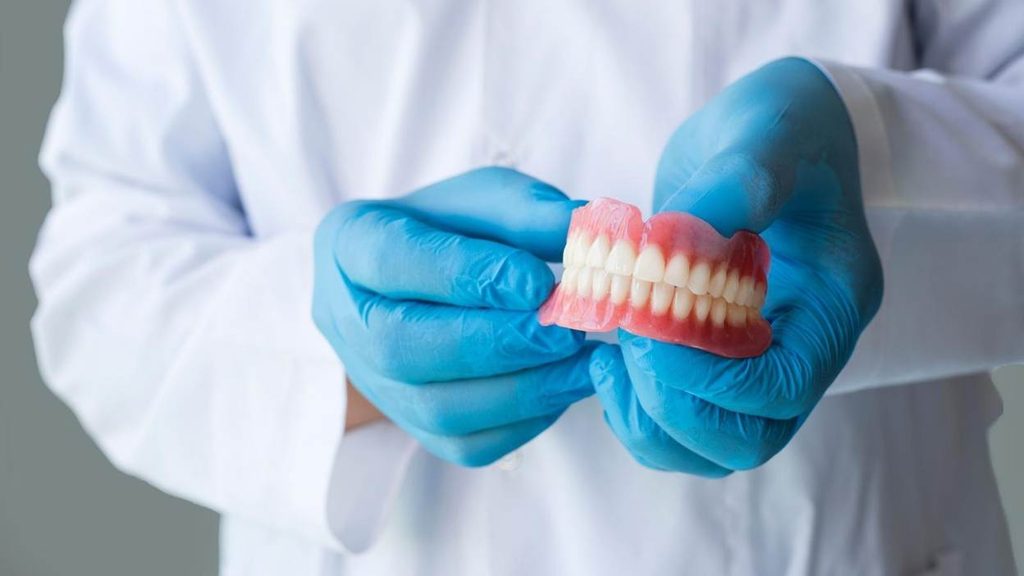
If your denture timeline feels unpredictable, this is why. The single largest factor in how long it takes to get dentures is whether you need tooth extractions and how long your mouth takes to heal afterward.
After teeth are removed, healing after tooth extractions typically takes 6 to 8 weeks before final denture fitting can begin. During this window, your gums and bone are actively changing.
Here’s what’s happening during that healing period:
- Your gums shrink and change shape as the extraction sites close
- The underlying bone reshapes itself, a process called remodeling
- The mouth stabilizes into the form your final denture will be matched to
This is exactly why rushing matters. Rushing the healing process creates dentures that don’t fit properly and cause pain. A denture fitted to a mouth that’s still changing shape won’t fit that same mouth two months later.
Final denture fittings typically occur 2 to 3 months after extractions, once the gum tissue has fully stabilized. If you have gum disease or inflammation, that has to be treated first, which adds time. Your mouth must be healthy before replacing lost teeth.
For patients who need extractions, understanding what recovery looks like after a tooth extraction helps set realistic expectations for the whole denture timeline.
The Step-by-Step Denture Process
Getting dentures is a multi-step journey, not a single appointment. Here’s what each stage actually involves so there are no surprises.
Step 1: Initial Consultation
Your dentist examines your gums, jawbone, bite, and any remaining teeth, then discusses your goals and recommends a denture type. This is where your treatment plan and timeline take shape.
Step 2: Extractions (If Needed)
If natural teeth need to come out, this happens next, usually within one to two weeks of the consultation. Local anesthesia keeps the procedure comfortable. Then healing begins, typically lasting 6 to 8 weeks.
Step 3: Dental Impressions
Once your gums have healed enough, your dentist takes detailed impressions of your mouth. In many cases, custom impression trays are made first, then final impressions are taken about two weeks later for precision.
Step 4: Bite Registration and Jaw Records
Your dentist records how your upper and lower jaws align. This ensures the finished denture lets you bite, chew, and speak correctly.
Step 5: Wax Try-In
A wax model of your dentures is created so you and your dentist can preview the look and fine-tune the fit before the final version is made. This is a crucial step for getting the shape, shade, and alignment right.
Step 6: Lab Fabrication
The approved design goes to a dental lab, where technicians craft your custom dentures. Lab fabrication typically takes 1 to 3 weeks.
Step 7: Final Fitting and Adjustments
You receive your dentures and try them on. Multiple adjustments are often needed for a proper, comfortable fit. Follow-up appointments fine-tune anything that rubs or shifts.
| Stage | Approximate Time |
| Consultation | 1 appointment |
| Extractions + healing | 6–8 weeks (if needed) |
| Impressions | 1–2 appointments over 2 weeks |
| Bite registration | 1 appointment |
| Wax try-in | 1 appointment |
| Lab fabrication | 1–3 weeks |
| Final fitting + adjustments | 1+ appointments |
Immediate Dentures: The Same-Day Option

For many people, the biggest fear about dentures isn’t the timeline. It’s the thought of going without teeth while they wait. Immediate dentures solve exactly that.
Immediate dentures are placed on the same day as tooth extractions, so you leave the dental office with a full set of teeth. They’re made in advance, before your extractions, using impressions and measurements taken beforehand.
The advantages:
- You never go without teeth during the healing process
- They help maintain your appearance while you wait for permanent dentures
- They protect the gum tissue and let you eat soft foods during healing
- They act as a guide while your mouth heals into its final shape
The trade-offs worth knowing:
- They are not custom-fitted to healed gums the way permanent dentures are
- They require more adjustments as the mouth changes shape during healing
- They can typically be worn for about 6 to 8 months until permanent dentures are ready
- Many patients ultimately need a second, permanent set for the best long-term fit
Think of immediate dentures as a well-designed bridge between extraction and your final set. They keep you functional and confident while your mouth heals, then a conventional denture matched to your healed gums takes over for the long term.
What Speeds Up or Slows Down Your Timeline
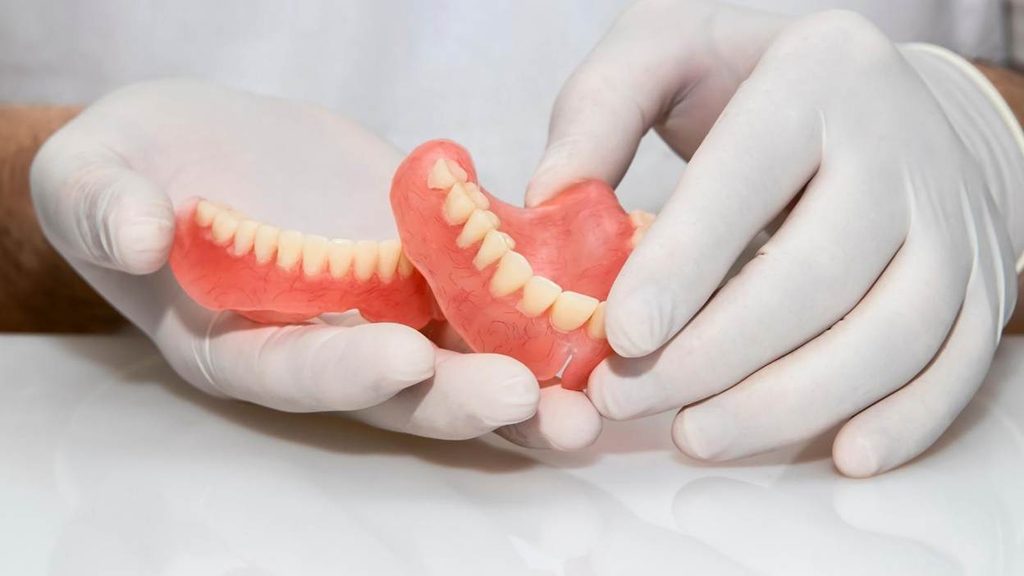
Two people can start the denture process on the same day and finish weeks apart. Several factors explain the difference, and knowing them helps you plan realistically.
Factors that add time:
- Extractions: Healing after tooth removal adds 6 to 8 weeks to the process
- Gum disease or inflammation: Any gum health issues must be treated before denture fitting begins
- Bone shape: Uneven bone areas sometimes need reshaping for comfort and fit
- Number of missing teeth: Full dentures require more planning than small partials
- Implant placement: Implant-supported dentures need months for the bone to fuse
- Lab processing: Fabrication times vary, typically 1 to 3 weeks
- Number of adjustments: Some patients need more fine-tuning for a precise fit
Factors that shorten it:
- No extractions needed
- Healthy gums and bone from the start
- Choosing partial dentures over full
- Fast individual healing
- A dental office with an in-house or fast-turnaround lab
| Factor | Effect on Timeline |
| Tooth extractions needed | +6–8 weeks |
| Gum disease treatment | +several weeks |
| Implant-supported choice | +several months |
| No extractions required | Shortens significantly |
| Partial vs. full | Usually shorter |
The best way to get an accurate timeline for your mouth is a consultation with X-rays and an exam. Online estimates give you a range. Only a clinical assessment tells you where your specific case falls within it.
Get Your New Smile on Schedule at Stonelodge Dental
Getting dentures is a process, but a predictable one once you know the steps. The timeline ranges from same-day immediate dentures to several months for implant-supported options, and the biggest variable is almost always healing time after extractions. Knowing which type fits your situation is the first step toward planning around it.
Key takeaways:
- The full denture process typically takes 4 to 12 weeks, depending on the type
- Conventional full dentures take 6 to 12 weeks; partials take 4 to 8 weeks
- Healing after extractions is the biggest variable, adding 6 to 8 weeks to the timeline
- Immediate dentures are placed the same day as extractions but require more adjustments over time
- Implant-supported dentures offer the most stability but take three months to a year
- Gum disease, bone shape, and the number of adjustments all affect the final timeline
- A consultation with X-rays is the only way to get an accurate timeline for your specific case
At Stonelodge Dental, Dr. Saadia Basit walks you through every denture option with a clear timeline upfront, then fits custom dentures and partials designed for comfort and a natural look. If dental implants are a better long-term fit, that conversation happens here too.
Book your consultation today or call 214-613-1500 to speak with our McKinney team directly.
Frequently Asked Questions
How long should I wear my dentures when I first get them?
With immediate dentures, your dentist may recommend wearing them for the first 24 hours straight, including while sleeping, to control swelling. After that, follow your dentist’s guidance, which usually means removing them overnight.
Do you have no teeth while waiting for dentures?
Not necessarily. Immediate dentures are placed the same day as extractions, so you never go without teeth. With conventional dentures, there may be a healing gap unless temporary dentures are provided.
How painful is getting full dentures?
The extractions are done under local anesthesia, so the procedure itself is painless. Some soreness during healing is normal. Early adjustments address any rubbing or pressure points as your mouth settles.
What is the average cost of permanent dentures?
Costs vary widely by type, materials, and whether extractions or implants are involved. Conventional dentures typically cost less than implant-supported options. Stonelodge Dental offers financing to make treatment more manageable. Contact the office for a personalized quote.
Do permanent dentures look better than immediate dentures?
Usually, yes. Permanent dentures are custom-fitted to your healed gums, giving a more precise, natural fit and appearance. Immediate dentures prioritize keeping you toothless during healing, then a permanent set refines the result.
How many teeth do they pull at once for dentures?
For full dentures, all remaining teeth in the arch are typically removed, often in a single session under anesthesia. The exact number depends on how many natural teeth you have left. Your dentist plans this during your consultation.